MAFRA SCULPTURE SCHOOL
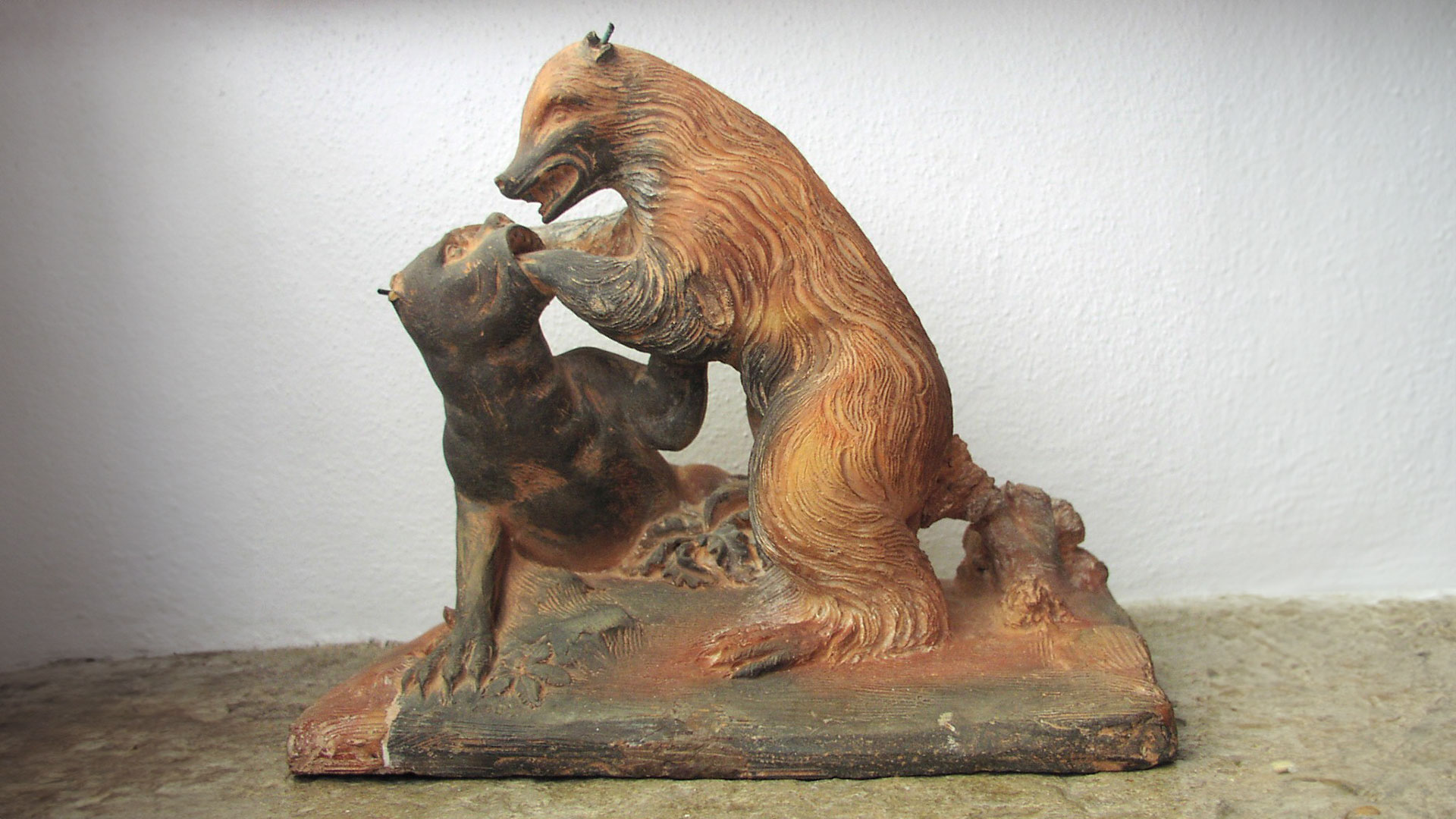
It was based in the Mafra Convent under the direction of Alessandro Giusti, a sculptor who had come from Italy to build the chapel of St John the Baptist in the Church of St Roque. He travelled to Mafra in 1753, accompanied by his family and assistants, Francisco Alves Canada and Pedro António Luquez. This institution was the mainstay of the revival of the art of sculpture in Portugal. It trained the best Portuguese sculptors of the late 18th and early 19th centuries, whose merit is attested to by the works they left in the Mafra Monument: Brás Toscano de Melo, Joaquim Machado de Castro, José João Elvani, José Joaquim Leitão, Francisco Leal Garcia, Joaquim António Macedo, José da Silva Pevides, José Patrício, Alexandre Gomes, Lourenço Lopes and Estêvão António Jorge, some of whom were born in the municipality of Mafra. The directors of the Mafra Sculpture School were Giusti, Joaquim José de Barros Laborão and Brás Toscano de Melo.
